

When it comes to maintaining your car, some components— like oil changes and tire rotations—get all the attention. But what about your air filters? Your vehicle has two key air filters working behind the scenes to keep things running smoothly: the engine air filter and the cabin air filter.
So, what exactly do these filters do, and what are the differences between these two? In this blog, we’ll answer those questions and tell you how often you should replace these filters.
What Is an Engine Air Filter?
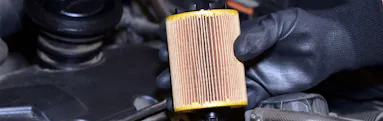
The engine air filter is a key component that prevents dirt, debris, and contaminants from entering your vehicle's engine. Every time you drive, your vehicle pulls in outside air to mix with fuel for combustion. Without a filter, all that dust, dirt, and road grime would make its way into the engine and cause unnecessary wear and tear.
A clean engine air filter ensures your engine gets the proper airflow it needs to maintain performance and longevity. But when the engine air filter becomes clogged, it’s a different story. A dirty filter restricts airflow and makes your engine work harder to pull in the oxygen it needs. The result? Reduced power and sluggish acceleration. Over time, neglecting your engine air filter can even lead to costly engine damage.
What Is a Cabin Air Filter?
The cabin air filter traps dust, allergens, dirt, and other airborne pollutants before they enter your car’s interior, ensuring you and your passengers breathe in fresh, clean air. This is especially important if you drive in areas with heavy traffic, construction, or pollen-filled air.
But just like any other filter, it doesn’t last forever. Over time, your cabin air filter can become clogged with dust, debris, and even mold, which can lead to some unpleasant side effects like unpleasant odors, allergy flare-ups, and reduced efficiency of your climate control system (A/C or heater).
Key Differences Between an Engine Air Filter and a Cabin Air Filter
Both an engine air filter and a cabin air filter play key roles in keeping your vehicle running smoothly, but they serve very different purposes. Let’s look at how they compare:
Location in the Vehicle
One of the biggest differences between these two filters is where they’re found in your car:
- The engine air filter is located under the hood, typically inside a filter box near the engine’s air intake.
- On the other hand, the cabin air filter is typically tucked away inside the cabin of your vehicle, usually behind the glove compartment or under the dashboard. On some vehicles, the cabin air filter may also be located under the hood near the rear of the compartment on the passenger’s side.
Primary Function
While both filters are designed to remove contaminants, they protect different parts of your car:
- The engine air filter is all about safeguarding your engine. It prevents dirt, dust, and debris from getting inside, which helps keep your engine running efficiently and prevents internal damage.
- The cabin air filter is focused on your comfort. It helps maintain clean air inside the vehicle by filtering out dust, pollen, smog, and other airborne pollutants before they reach you and your passengers.
Impact on Performance
When either of these filters gets dirty, you’ll start to notice a difference, but in different ways:
- A clogged engine air filter restricts airflow to the engine, which can reduce acceleration, lower fuel efficiency, and even lead to engine strain over time. If your car feels sluggish, your engine air filter might be due for a change.
- A dirty cabin air filter can cause musty odors, increased allergy symptoms, and weaker airflow from your A/C or heater. If your vents aren’t pushing out air like they used to, or there’s an odd smell when you turn on the A/C, your cabin air filter could be to blame.
How Often Should You Replace Each Filter?
Replacing your air filters is a small but important part of keeping your car in top shape. So, how often should you swap them out?
Generally speaking, an engine air filter replacement is recommended every 15,000-30,000 miles, depending on your driving conditions. If you frequently drive on dusty roads or in stop-and-go traffic, you might need to change it sooner. On the flip side, a cabin air filter replacement is typically recommended every 12,000-15,000 miles or at least once a year to keep your cabin air fresh and clean.
However, it’s best to check your owner’s manual for Original Equipment Manufacturer (OEM) recommendations for replacement intervals since different vehicles may have varying guidelines.
Visit Your Local Jiffy Lube for Filter Services
Keeping up with engine and cabin air filter replacements is a simple way to protect your engine and ensure you’re breathing clean, fresh air inside your car. Not sure if it’s time for a new filter? Stop by your local Jiffy Lube® for filter services. Our trained technicians will inspect your filters, let you know if they need replacement, and get you back on the road quickly.
NOTE: Not all services are offered at all Jiffy Lube service centers. Please call ahead or check jiffylube.com to ensure the service is available at the Jiffy Lube location near you.
Related Resources

Why Does My Car Smell Like Gas?
Have you ever wondered, “Why does it smell like gas in my car?” A gasoline odor can be alarming, and for good reason. While some causes are easy to fix, others may require immediate attention. Let’s explore ...
Filters might not be the first thing that comes to mind when you think about vehicle maintenance, but they do a lot of heavy lifting to keep your ride safe and reliable. In this article, we’ll break down ...

How Often to Change the Cabin Air Filter
As a vehicle owner, it’s often easy to know when your car may need maintenance. When your tires begin losing traction, you tend to notice. When your wiper blades leave streaks , you’re reminded ...